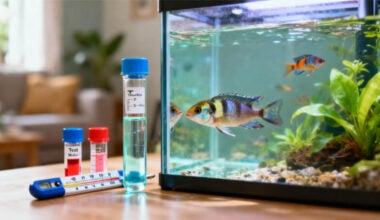
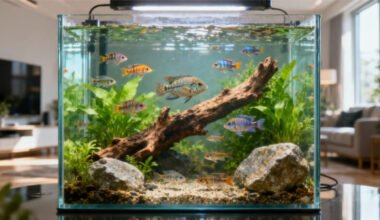
One of the most common mistakes I see with beginners is filling a tank straight from the tap and dropping fish in. That is a big NoNo.
The water might look clean, but it usually isn’t safe for fish right away. Municipal water is treated to keep us healthy, but that same treatment can harm or even kill your fish.
THE GOOD NEWS? With just a few simple steps, you can turn tap water into safe, stable aquarium water.
In this guide, I’ll walk you through the essentials of using water conditioners (dechlorinators), adjusting parameters when needed, and keeping things safe during water changes. Once you get into the rhythm, it’s easy and becomes second nature.
Table of Contents
🎥 Quick Video Version | Adding Tap Water The Right Way
Chlorine and Chloramine – Why Conditioners Are Must-Use
Most city water supplies contain chlorine or chloramine. These disinfectants are excellent for killing germs but devastating for aquariums. Chlorine wipes out beneficial bacteria in your filter and burns fish gills, while chloramine (a chlorine and ammonia compound) poses a double threat.
A water conditioner like Seachem Prime or API Stress Coat instantly neutralizes chlorine. With chloramine, conditioners break the chemical bond and detoxify the ammonia portion for up to 48 hours, giving your filter time to process it safely.
The cost is minimal, and it prevents disaster. I always recommend treating every drop of new water before it ever touches your tank.
Some old advice suggests “aging” water in a bucket to let chlorine dissipate, but with chloramine in use across most cities, that no longer works. Save yourself the stress and just use conditioner.
The CDC notes that chloramine is widely used in municipal systems, so this step really is non-negotiable.
How to Use Water Conditioner in Aquariums?
Using a conditioner is simple. Add the recommended dose for the volume of new water. Many aquarists dose each bucket during water changes, while others treat the whole tank if using a hose directly.
A few tips:
- Always follow the label instructions.
- Slightly overdosing is safer than under-dosing. Most conditioners are safe at 2–3 times the recommended dose. Some even allow up to 5x in emergencies.
- Make sure the product you choose specifically treats chloramine. Most modern conditioners do, but always check.
Once you do it a few times, it becomes as routine as feeding your fish.
Temperature and Other Parameters During Water Changes
Conditioning the water isn’t the only thing to think about. Temperature matters too. Adding cold or hot water can shock fish, so aim to match the new water to within a few degrees of the tank. I usually use my hand as a quick gauge, but a thermometer is even better.
pH differences are another thing to keep in mind.
A small mismatch won’t matter much in partial water changes, but if your tap and tank water have very different pH levels, add water slowly.
FOR EXAMPLE: If you keep a vampire crab that prefers slightly acidic water, but your tap runs alkaline, adding untreated water quickly could stress it out.
If you’re considering reasons to lower the pH, make the changes gradually. Fish handle slow shifts far better than sudden ones.
Removing Other Chemicals and Heavy Metals
Most conditioners do more than neutralize chlorine. They also detoxify heavy metals like copper and sometimes help with ammonia and nitrite in emergencies.
FOR EXAMPLE: Prime can bind nitrite for about 24 hours, buying you time if your cycle is struggling.
If you’re on well water, test your source. Some wells release gases or have unusual mineral balances. In those cases, letting water sit before use can help it stabilize.
For most city water users, though, a dose of conditioner and temperature matching is all you need.
Hardness (GH and KH) Considerations
Tap water hardness varies depending on where you live. If your water is very soft, your aquarium could be prone to pH crashes. Adding crushed coral, aragonite, or a commercial remineralizer will keep things stable.
On the flip side, if your water is extremely hard, don’t panic. It’s usually easier to choose fish that thrive in your natural tap conditions than to constantly adjust (try guppy fish). For aquarists who want soft water species, mixing in RO (reverse osmosis) water is the long-term solution.
Practical Fishkeeping explains how hardness plays a big role in long-term fish health.
Letting Water Sit vs Instant Dechlorination
Some aquarists still swear by leaving water in a bucket for 24 hours before adding it to the tank. While this can work for chlorine, it does nothing against chloramine. Plus, it takes extra time and space.
Conditioner does the same job instantly. Unless you have a special reason to age water, like adjusting temperature or aeration, using a dechlorinator is the simpler and safer choice.
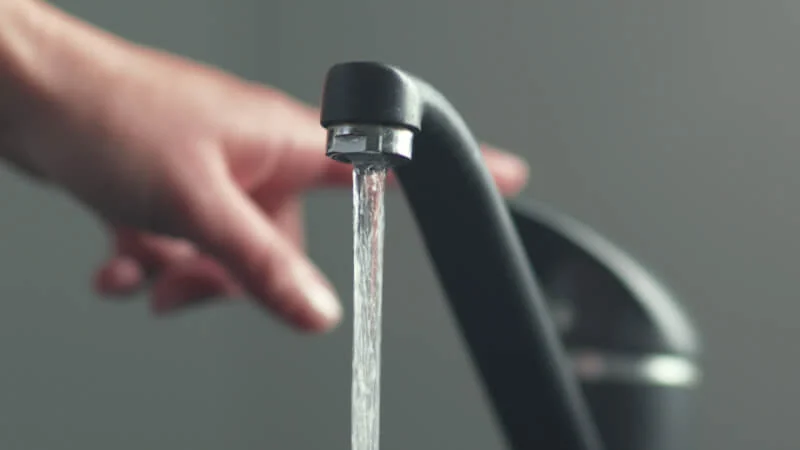
Testing Tap Water and Tank Water
Testing gives you peace of mind. Check your tap water for pH, nitrate, and hardness so you know what you’re starting with. Occasionally test your tank after a water change too.
If you’re concerned, you can grab a cheap chlorine test kit to confirm your conditioner is working.
It’s also smart to keep an eye on long-term stability. Clean, conditioned water helps prevent fin rot, algae outbreaks, and stress-related illnesses. Remember, no tank is 100% maintenance free, but regular small water changes are a big step toward stability.
Conclusion
Transforming tap water into safe aquarium water comes down to three steps: condition, match temperature, and add. With that routine, your fish will never know the difference. They’ll just enjoy the refresh of clean water.
And don’t forget the broader picture!
Smart water changes tie into every part of good fishkeeping. For example, don’t overcrowd your tank, because clean water alone can’t make up for poor stocking choices. Similarly, huge weekly water changes are not needed.
Consistent, moderate water changes are easier on both you and the fish.
Over time, you’ll also discover eco-friendly hacks, little tricks like using treated tap water for plant watering or learning a snail control trick that reduces waste in the first place. All of it adds up to a healthier, more balanced tank.
Conditioning water isn’t the glamorous side of the hobby, but it’s the foundation that keeps everything else thriving. Do it right, and every water change becomes a gift of stability to your underwater world.
FAQ’s
Can I use tap water in my fish tank without conditioner?
No. Tap water usually contains chlorine or chloramine that can kill fish and beneficial bacteria. Always use a conditioner first.
How long does it take for water conditioner to work?
Most conditioners work instantly, making water safe as soon as it’s added. You can add treated water to the tank right away.
How often should I test my tap water for aquariums?
Check it when starting your tank, after major changes, or if fish act stressed. Testing pH, hardness, and chlorine occasionally gives peace of mind.