Last updated on September 2nd, 2026 at 06:33 pm

Have you ever dreamed of having a fish tank that practically takes care of itself? You know, something beautiful to look at, but without the endless scrubbing, siphoning, and water-changing marathons?
WELL, GOOD NEWS: you can!
While no aquarium is truly 100% maintenance-free (sorry, that unicorn doesn’t exist), you can build a low-maintenance setup that makes your life a whole lot easier.
Let’s walk through how to create a dream tank for lazy aquarists like us—because hey, we love fish, but we also love free time.
Table of Contents
🎥 Quick Video Version – The Lazy Aquarist’s Dream Tank
No Tank is 100% Maintenance-Free
I’ll get this out of the way: every aquarium needs some TLC.
Even the best setups will need occasional water changes, filter cleanings, or plant trimmings. But with the right design, you can minimize the workload and still keep your aquatic life thriving.
Think of it as “smart laziness.” Put in the effort up front, and your tank practically runs on autopilot.
Tank Size: Bigger is Your BFF
This might surprise beginners, but larger tanks are easier to maintain. A 5-gallon fish tank looks cute, but one missed water change and suddenly your betta is swimming in a swamp.
A 20- to 40-gallon aquarium is the sweet spot for most lazy aquarists. The more water you have, the more stable your water parameters will be, which means fewer emergencies.
Stability = less stress for you and your fish.
Substrate: Set it and Forget it
Sand or fine gravel works wonders here.
Why?
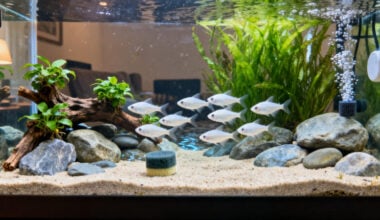
Because it traps less gunk than chunky gravel, and it’s easier to keep clean. Pair that with some driftwood, rocks, or caves for décor, and you’ve got a natural-looking setup that feels like a slice of riverbed.
Bonus trick: if you go with live plants, they’ll anchor right into the substrate and help keep things balanced. More on that in a sec.
Filtration: The Unsung Hero
The filter is the real MVP of any low-maintenance aquarium.
RECOMMENDATION:
A simple sponge filter or a hang-on-back filter. Sponge filters are especially great for beginners—they’re cheap, easy to clean, and they add beneficial bacteria that help process fish waste.
Think of filtration as your tank’s personal janitor. The better the filtration, the less you’ll need to fuss over water quality.
Heaters: Set Them, Forget Them
Fish don’t like roller-coaster temperatures!
A stable heater keeps your aquatic ecosystems healthy. Just set it to the right water temperature for your species, and you’re golden.
Pro tip: buy a heater with an adjustable thermostat and indicator light so you’re not guessing whether it’s working.
Plants: Your Tank’s Secret Weapon
Want fewer algae problems and better water quality? ADD PLANTS!
Low-light, hardy options like java fern and anubias nana are almost impossible to kill. They help soak up extra nutrients, reduce algae growth, and create hiding spots for fish and shrimp.
Live plants are the closest thing to magic in the aquarium world.
Fish: Choose Your Chill Squad
Here’s where a lot of aquarists go wrong. Pick fish that match your maintenance goals. Avoid species that are messy eaters or aggressive. Instead, consider:
- Betta fish (solo stars, low-maintenance, gorgeous fins)
- Small schooling fish like Neon Tetras or rasboras like the Harlequin Rasbora
- Nerite snails (algae clean-up crew champs)
- Shrimp (tiny janitors for leftover food and algae)
The key? Fewer fish = less waste. Resist the urge to overstock.
Feeding: Less Is More
Overfeeding is the #1 rookie mistake.
Uneaten food = algae explosions + cloudy water.
Stick to small, measured feedings once or twice a day. Or, better yet, use an autofeeder set on a timer. Lazy aquarist win unlocked. We like FISHNOSH’s below because of price and reliability.

Lighting: Automate the Glow
Want to beat algae while still keeping plants happy? Put your lights on a timer.
Aim for 6–8 hours per day.
This trick saves you from forgetting to turn the light off (been there, done that), and your fish will love the consistent day/night cycle.
Water Changes: The Bare Minimum
You’ll still need to do them—but not as often. With good filtration, plants, and light stocking, you can usually get away with 25% water changes every 2–3 weeks.
Test your aquarium’s water with a test kit every now and then to stay on the safe side. Ammonia, nitrites, and nitrates are the big three to watch.
Putting It Together: Your Dream Tank
So what do we have?
- A larger tank for stable parameters
- Easy substrate and natural décor
- Reliable filtration and heaters
- Hardy live plants
- Peaceful fish, snails, or shrimp
- Timed lighting and autofeeders
That’s a recipe for a tank that basically runs itself—while still looking gorgeous.
Common Mistakes: Don’t Be That Guy
- Overstocking (it never ends well)
- Skipping a heater for tropical fish
- Buying fish before the tank is cycled
- Treating your tank like a science project with too many chemicals
Emergency Backup: Stay One Step Ahead
Always keep a small emergency kit handy: extra filter media, dechlorinator for tap water, and a net. If something goes sideways, you’ll thank yourself later.
Automation Hacks: The Ultimate Lazy Win
Want to level up? Try:
- Autofeeders for meals
- Timers for lights
- Battery backup for filters in case of power outages
Automation = freedom.
Why This Works: The Eco-Friendly Edge
By leaning on plants, natural décor, and beneficial bacteria, you’re creating a little ecosystem instead of constantly fighting against it.
That means, fewer chemicals, less stress, and healthier aquatic life.
Final Inspiration: Lazy Doesn’t Mean Careless
Here’s the truth: being a “lazy” aquarist doesn’t mean you don’t care.
It means you’ve learned the secrets and tricks that make the hobby sustainable. With the right setup, you can have a thriving tank, happy fish, and still enjoy your Netflix nights uninterrupted.
Work smarter, not harder. Your fish (and your sanity) will thank you.
FAQ’s
What is the easiest type of aquarium for beginners?
A 20-gallon freshwater tank with hardy fish, live plants, and sponge filters is often considered the easiest setup for beginners. Larger tanks keep water parameters more stable, which means less stress for both you and your fish.
Can an aquarium really be maintenance-free?
Sorry but no tank is truly maintenance-free, but you can create a low-maintenance system. With the right tank size, filtration, live plants, and an automatic feeder, you can cut down water changes and daily upkeep dramatically.
Which fish and tank mates are best for a low-maintenance setup?
Hardy livestock and a simple stocking plan are more important than adding a large cleanup crew. Bettas, selected nano fish, or shrimp can each work, but they should not automatically be combined. Compare these 10-gallon options before deciding which type of low-maintenance tank to build.