Last updated on September 2nd, 2026 at 06:24 pm

If you’ve ever dreamed of a fish tank that doesn’t turn into a slimy, algae-filled headache after a few weeks, welcome, friend.
This guide is all about setting up an aquarium that’s not just easier to manage but also kinder to your fish, plants, and, hey, even your electric bill.
Think of it as a “lazy person’s guide” to a self-sustaining aquarium… with a green twist.
Table of Contents
🎥 Video Version Guide
The Problem with Traditional Fishkeeping
HERE’S THE TRUTH: traditional aquariums can be exhausting.
Weekly water changes, algae taking over like it’s auditioning for a horror film, plants withering no matter what you do, filters clogging up, fish looking miserable… sound familiar?
Part of the issue is that most setups rely on overfiltration, artificial decorations, and chemically altered water.
It becomes this cycle of clean, dump, replace, repeat. Not exactly fun, right? Plus, constantly tossing in new products, swapping out filter cartridges, and battling algae isn’t doing the environment any favors either.
So let’s flip the script. Instead of fighting nature, why not work with it?
Tank Design and Setup Basics
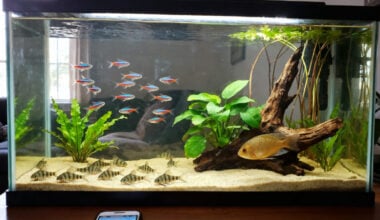
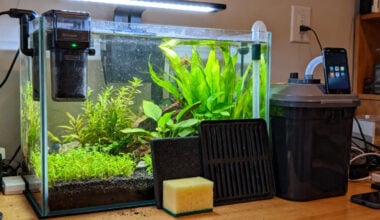
The cool thing is you don’t need a wallet-draining setup to build an eco-friendly tank. The secret is balance. Your fish, plants, and even microorganisms can all pull their weight to create a natural rhythm.
Here’s what to keep in mind:
- Pick the right tank size. Bigger tanks (think 20+ gallons) are easier to stabilize than tiny bowls. More water = more room for balance.
- Choose livestock wisely. Go for fish and shrimp that don’t overload the system with waste. A tank with fewer fish can actually look more natural and be way easier to manage.
- Plant power. Aquarium plants aren’t just pretty, they’re little water purifiers that soak up extra nutrients and give oxygen back to your aquatic buddies.
REMEMBER: you don’t have to spend a fortune. A good tank, some real plants, and a few well-chosen fish can do wonders.
Substrate and the Nitrogen Cycle
The floor of your aquarium is more important than you think. Skip the neon gravel and look into sand, natural gravel, or soil-based substrates. These give beneficial bacteria a cozy home and help your plants thrive.
Here’s the science-y bit (but I promise to keep it light):
when fish produce waste, it turns into ammonia.
Too much ammonia? Dead fish.
Luckily, bacteria step in and convert ammonia → nitrite → nitrate.
Plants then use nitrates as food. That’s the famous nitrogen cycle.
Add some driftwood and rocks, and suddenly your aquarium isn’t just décor, it’s a mini ecosystem.
PRO TIP: don’t skip the cycle. Take your time letting your tank establish before rushing in a bunch of fish. Your future self will thank you.
Maintenance and Feeding
Here’s the beauty of an eco-friendly tank: less maintenance. But less doesn’t mean none. You still need to:
- Do smaller water changes. Instead of giant 50% changes, stick to lighter, less frequent ones. Live plants and bacteria are already handling a lot for you.
- Don’t overfeed. Extra food = extra waste = algae party. Feed just enough that your fish finish within a couple of minutes.
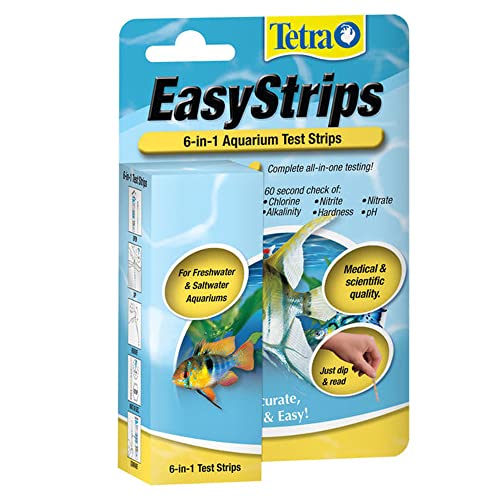
- Test your water. A simple test kit like the one below will tell you if your nitrites, nitrates, and pH are in the safe side.

THINK OF IT LIKE THIS: a balanced tank handles the little stuff. You just step in for the big stuff.
The Magic of Ecosystem Balance
When your aquarium is dialed in, it feels a little like magic. Fish waste becomes plant food. Plants give back oxygen. Shrimp and snails help clean up the leftovers. The filter keeps things moving but isn’t overworked.
Suddenly, you’re not constantly fighting algae or pouring in chemicals. Instead, you’ve got a little slice of nature doing its thing right in your living room.
Eco Hacks to Try
Want to take it to the next level? Here are some eco-friendly hacks:
- DIY CO₂ system. A simple sugar + yeast setup can boost plant growth without expensive gear.
- Solar-powered lights. Great for reducing energy use, just make sure they’re not blasting algae-growing rays for too long.
- Aquatic clean-up crew. Snails and shrimp are natural recyclers, breaking down organic matters like leftover food and fish waste. The Mystery Snail and Ghost Shrimp are two great cleaners you can consider for your tank.
- Real plants over plastic. Plastic decorations might look cool for a bit, but live plants actively improve water quality and provide hiding spots.
Final Thoughts
An eco-friendly aquarium isn’t about being perfect, it’s about working smarter, not harder. You’ll still need to do the basics (water testing, light cleaning, filter maintenance), but the heavy lifting is done by your little aquatic ecosystem.
Think of it as creating harmony instead of chaos.
A tank that practically runs itself leaves you more time to actually enjoy your fish instead of stressing over them. And trust me, once you see that balance click, you’ll wonder why you ever fought nature in the first place.
SO GO AHEAD. set up that eco-friendly tank. Your fish will thank you, your plants will thrive, and you’ll have one less thing on your chore list.
FAQ’s
Can you really make a self-sustaining aquarium?
Yes! By combining live plants, beneficial bacteria, and fewer fish, you can build a balanced aquarium where the ecosystem handles much of the work for you.
What are the best plants for an eco-friendly aquarium?
Low-maintenance plants like Java fern, Anubias, and Amazon swords are excellent for soaking up nutrients and keeping water quality stable.
Do eco-friendly tanks still need water changes?
Yes, but fewer and smaller. While plants and bacteria clean a lot, occasional water changes prevent the buildup of chemicals like nitrates.