Last updated on September 2nd, 2026 at 06:24 pm

So you’ve probably heard of fish tanks with all the bells and whistles, canisters, air pumps, hoses, filter media, and whatnot. But what if I told you that you don’t have to go that route?
Table of Contents
🎥 Quick Video Version – Filter Free Aquariums
Introduction To No Filter Aquariums
Welcome to the world of no filter aquariums! These setups are like going back to nature. Literally. Instead of relying on noisy machines and constant tinkering, you build a balanced ecosystem that runs (mostly) on its own. It’s simple, low-tech, and honestly, kind of magical.
Author Note: Think about it, nature doesn’t come with instruction manuals or filtration systems. Rivers, ponds, and lakes manage just fine without our fancy gadgets.
Your freshwater aquariums can do the same thing on a smaller scale. You’re basically creating a miniature version of what already works perfectly in the wild.
Benefits Of A No Filter Aquarium
Besides being budget-friendly, no filter aquariums can be surprisingly stable once they’re set up correctly. They’re quieter, no buzzing filter motors keeping you up at night.
You’ll also enjoy slower water evaporation and less temperature fluctuation. With fewer moving parts, there’s less to break or maintain. And the best part? You get to watch a more natural environment flourish right in your home. The fish, plants, and even snails work together to keep things in balance.
Here’s something most hobbyists don’t realize: traditional filters can actually create too much water flow for some species. Without all that artificial current, your fish can exhibit more natural behaviors.
Plus, you’re not constantly worried about power outages or equipment failures ruining your setup.
Equipment Needed For A No Filter Setup
Despite the name, “no filter” doesn’t mean no gear at all. You’ll still need a few essentials:
- Tank (start with at least 5 gallon, ideally more)
- Substrate like gravel, sand, or soil
- Live aquarium plants such as anubias, java fern, or hornwort
- Lighting (LED is perfect)
- Heater, depending on your fish (check our Best Aquarium Heaters)
- Optional: Driftwood, rocks, and decor for hiding spots
No power filters here! But your secret weapon? Beneficial bacteria. They live in your substrate and on your plants, quietly doing the work of breaking down waste.
These microorganisms are your real aquarium filter, they just happen to be invisible and don’t need electricity.

Choosing The Right Location For Your Aquarium
This matters more than you think. Place your aquarium somewhere away from direct sunlight to prevent wild algae growth. I learned this the hard way when my first tank turned into what looked like green soup.
Avoid spots near heaters, AC vents, or drafty windows, cooler temperatures can mess with your tank’s balance. A solid, level surface near a power outlet (for your light or heater) is all you need. Bonus points if you can see it from your favorite chair!
Author Note: The water level stability is crucial too. Constant temperature swings will stress your fish and throw off the delicate bacterial balance you’re working so hard to establish.
Setting Up And Cycling The Tank
This step is crucial. You’ll want to establish a solid population of beneficial bacteria before adding any fish. Here’s how:
- Add substrate, hardscape (like driftwood or rocks), and live plants.
- Fill with dechlorinated tap water.
- Let it sit and cycle for at least 3-4 weeks.
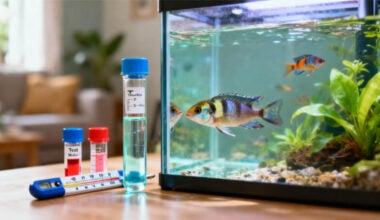
- Test regularly for ammonia, nitrite, and nitrate levels (I love these test strips).
The goal is to let those microorganisms and bacteria build up. They’re your real filter, breaking down toxic ammonia into safer nitrates.
Author Note: During this time, you might see algae or cloudy water. Don’t panic, it’s part of the process. Your tank water is basically learning how to take care of itself.
This daytime cycling process is where patience pays off. I know it’s tempting to rush, but trust me, those extra weeks of waiting will save you months of headaches later.
The bacteria need time to colonize every surface and establish stable colonies that can handle the bioload you’re planning.
Choosing The Right Fish For A No Filter Aquarium
Not every fish is cut out for the laid-back no-filter lifestyle. Go for hardy, small fish that don’t produce a lot of waste:
- Betta fish (perfect solo stars)
- White Cloud Mountain Minnows (cooler temp champs)
- Endler’s Livebearers
- Shrimp and snails (these guys help eat algae and leftover food)
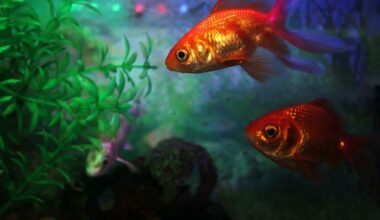
Avoid heavy waste producers like goldfish or large cichlids. Btw, have you checked our most popular types of goldfish? These fish overwhelm your tank in no time.
Your local fish store can help you identify species that work well in low-tech setups. Don’t be shy about asking, most store employees love talking about this hobby and can share their own experiences.
Maintenance Tips For A No Filter Aquarium
Less gear doesn’t mean less responsibility. You still need to:
- Perform regular water changes (about 20-30% every week)
- Remove any uneaten food or visible debris
- Trim back live plants and clean glass gently
- Top off evaporated tank water with dechlorinated water
And don’t forget to test your water weekly for pH, ammonia, nitrites, and nitrates. Staying ahead of problems makes a big difference. Unlike traditional setups where you might rely on medications or chemicals to fix issues, prevention is your best friend here.
The beauty of this approach is that you become more in tune with your tank’s natural rhythms. You’ll start noticing subtle changes before they become major problems.
Troubleshooting Common Issues
Cloudy Water?
Usually from a bacterial bloom. Give it time and make sure you’re not overfeeding. Sometimes adding too many nutrients too quickly can trigger this.
Too Much Algae?
Cut back on light and double-check nutrient levels. You may need more plant mass or fewer fertilizers. Remember, algae and plants compete for the same compounds, more plants usually means less algae.

Fish Gasping At The Surface?
You might have low oxygen levels. Try increasing surface agitation manually or adding an air stone temporarily. This is where understanding water flow becomes important.
Plants Dying?
Check your lighting and nutrient balance. Are they getting enough carbon, fertilizers, and time to settle? Sometimes plants need time to adapt to your specific water chemistry before they really take off.
Water Chemistry Issues?
Test for phosphates and other impurities that might be throwing things off. Your tap water quality can vary seasonally, so what worked last month might need adjustment now.
Expanding Your Tank Ecosystem
Once you’ve got your no-filter tank dialed in, there’s plenty of room to grow, literally and figuratively. You can try:
- Adding floating plants like salvinia or frogbit to absorb nutrients and reduce algae. For more info on plants see our 13 best floating aquarium plants.
- Introducing cherry shrimp or nerite snails to help clean up extra food and algae.
- Creating a soil-based substrate setup with root tabs for nutrient-rich plant growth.
This hobby is all about experimentation. Don’t be afraid to try new things, but make changes gradually and always observe how your system reacts. Each tank develops its own personality over time.
Conclusion And Final Thoughts
Going filter-free may seem intimidating at first, but trust me, it’s a game-changer. It brings you closer to the natural rhythms of your aquarium. And the best part? You’ll learn more about your tank than ever before.
Watch the microorganisms, the plants, and the fish waste all come together in a weird but wonderful dance of balance.
It’s not about perfection, it’s about balance. Let your tank evolve. Stay curious. And most of all, enjoy the calm and beauty of your own little ecosystem.
The journey teaches you as much as the destination, and every tank tells its own story.
FAQ’s
Can you really run a fish tank without a filter?
Yes! A no filter aquarium works by relying on beneficial bacteria, live plants, and low bioload to naturally manage waste and maintain water quality.
What fish are best for a no filter aquarium setup?
Betta, Endler’s livebearers, shrimp, and White Cloud Mountain Minnows are great for no filter tanks thanks to their low waste output and hardy nature.
How often should I do water changes in a no filter tank?
Plan on doing 20–30% water changes weekly to keep nitrate levels low, remove debris, and maintain stable water parameters without mechanical filtration.