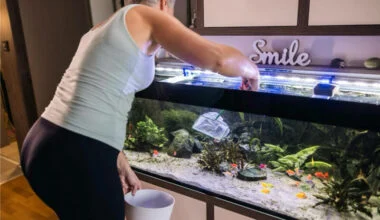
If your house is anything like mine, a little zoo where the aquarium is trying its best to maintain zen amidst the chaos of paws and fluff, you are in the right place.
I know that keeping a stunning, healthy tank is already a rewarding challenge. But when you add a curious cat, an enthusiastic dog, or even a few small caged pets into the mix, the dynamic changes entirely.
It’s not just about water parameters anymore.
It’s about managing an entire ecosystem balance that includes the four-legged (and sometimes winged) members of your family.
My goal here is to talk you through how to protect your aquatic world from the beautiful, bustling life happening outside the glass. Many pet owners, myself included, become incredibly attentive to general animal health, like getting those vet-approved allergy tests for a dog with persistent itching.
When you’re tuned into those small details of pet well-being, it becomes much easier to notice how those same considerations apply to a thriving aquatic tank.
A healthy aquarium depends not only on water quality and equipment but also on how the entire household interacts with it. Multi-pet homes are wonderfully lively, but they require strong routines and awareness.
In many cases, the aquarium becomes the silent center of the home, a living world that benefits immensely from thoughtful planning, consistent observation, and a little strategic design.
Understanding how your land-dwelling pets influence the aquatic environment can help you prevent stress, contamination, and accidental damage, keeping your fish at ease and your tank running smoothly.
Table of Contents
How Other Pets Affect the Aquarium Environment
Different pets affect the aquarium in different ways, and often without meaning to. I’ve had many biology lessons firsthand watching my cats. They are natural climbers and hunters, drawn by movement and the soft hum of equipment.
They might sit on tank lids (not ideal!), swipe at fish (definitely not ideal!), or knock around accessories nearby.
Dogs.
Depending on their temperament, may bark at the fish, jump near the tank, or simply stir stress in sensitive species with their presence.
Small mammals.
Ferrets or rabbits usually don’t interact directly with the glass, but their bedding and dust can easily settle in the air and land on the water’s surface.
Even if your pets never physically reach the water, their presence can still influence the tank’s stability. Sudden loud noises, vibration from running or jumping, and changes in airflow can all create environmental stress for your fish.
Some species are especially sensitive to chaotic movement or shadows, interpreting them as threats. If you’re new to aquarium care, look for beginner resources that can help you clarify filtration, cycling, and long-term tank maintenance.
When Curiosity Becomes Routine Behavior
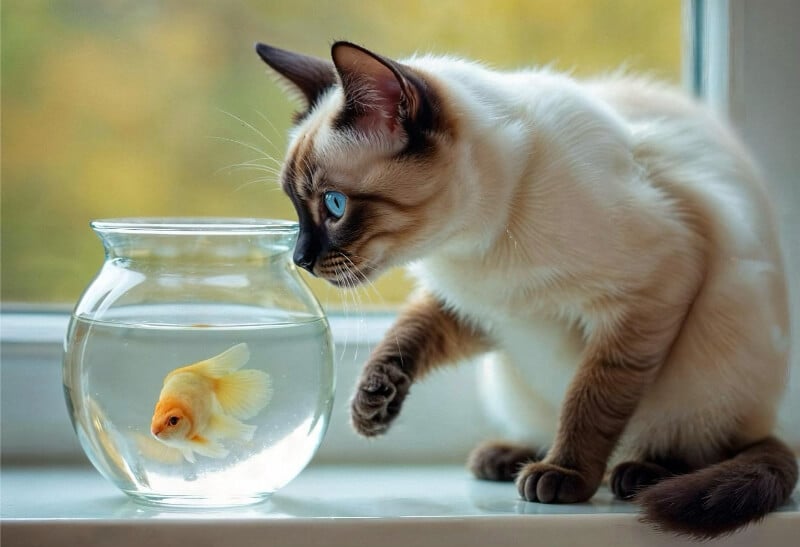
As households settle and routines form, some pet habits become predictable, but not always harmless. This is often the point when many owners begin exploring behavior guides or seeking advice from communities about common fish stress responses.
It’s common for owners to explore vet-approved dog allergy tests not just for identifying sensitivities, but because understanding a pet’s wellness overall helps reduce behaviors triggered by discomfort, itching, or anxiety, which can lead to pacing, barking, or pawing activity near aquariums.
Small improvements in pet comfort often reduce disruptive patterns around tanks.
For instance, if I see my dog constantly patrolling near the tank, I check to see if she’s just anxious or perhaps reacting to something else in the room.
Choosing the Right Placement for the Tank
Placement is one of the strongest protective strategies in a multi-pet household. Ideally, the aquarium should be positioned where pets cannot easily climb, jump, or paw at the glass. I promise you, a secure lid and sturdy stand aren’t optional, they are essential safety barriers.
High-traffic areas may not be ideal.
While fish can adapt to background movement, they may become stressed by constant noise or the sudden presence of larger animals. A quieter section of the home, free from direct sun and excessive pet activity, typically supports more stable tank conditions.
I know I wouldn’t want to live next to a highway, and your fish probably don’t either!
Keeping Contaminants Out of the Water
Multi-pet homes have more environmental variables than fish-only households. Dog hair, cat dander, dust from small-pet bedding, and cleaning sprays can all affect water quality. Even small levels of contamination can shift nutrient balance or clog filters.
Simple habits like ensuring lids are closed completely, cleaning around the tank regularly, and keeping messy activities like grooming sessions away from the aquarium make a measurable difference.
I even think about this when I introduce new additions, I might get a beautiful rabbit snail, but I ensure the water I acclimate it in is pristine and away from the pet hair tumbleweeds that cross my floor.
For anyone refining their system, this aquarium checklist is a helpful breakdown of essential steps and equipment that support long-term stability.
Managing Pet Curiosity Without Stressing the Fish
Pets are naturally curious about aquariums. The gentle movement, shimmering light, and lively behavior of fish are irresistible to cats and dogs alike. Instead of trying to eliminate curiosity (good luck with that!), the goal is to redirect it into calm, predictable patterns.
Cats.
These feline friends often respond well to dedicated perches or climbing towers positioned away from the tank, give them a better vantage point! Dogs may benefit from basic impulse-control training cues. You might even find yourself learning from sharks, they often thrive on clear, predictable routines, and the same applies to the fish in your tank and the pets around it.
Some fish species are easily startled, so creating hiding zones or shaded areas helps them feel safe when other pets are nearby.
Noise, Light and Movement: Reducing Ambient Stress
Even if your pets don’t physically disturb the tank, shared spaces involve more noise and movement, barking, running, doors closing, or general activity. Research referenced by the American Veterinary Medical Association indicates that sudden changes in lighting or noise can elevate stress responses in animals, fish included.
Stable lighting, predictable feeding times, and routine maintenance help fish adapt to a busy household environment. Consistency is key to stress reduction.
Maintaining Harmony Between Pets and the Aquarium
A multi-pet home definitely has its challenges, but it can also become a beautifully interconnected ecosystem. Over time, pets learn boundaries, tank environments stabilize, and routines become second nature.
A thriving aquarium isn’t only about filters and feeding schedules; it’s about creating calm, predictability, and respect among every species sharing the home.
With thoughtful planning, your aquarium becomes more than just decoration, it can become a quiet anchor in a lively, multi-species household.
In Closing
Keeping an aquarium safe in a multi-pet home is all about proactive management: strategic tank placement, secure lids, and consistent household routines.
By minimizing external stressors and guiding your pets’ behavior, you protect the delicate aquatic environment. This allows your tank to thrive as a calm, beautiful focal point that everyone in the family—fins, fur, and all—can peacefully enjoy.
FAQ’s
How do I stop my cat from messing with my fish tank?
Use a heavy, secured lid and choose high-level placement to block access. Redirect curiosity with dedicated cat perches away from the aquarium.
Can dogs barking stress my fish out?
Yes, sudden loud noise and vibrations stress fish. Reduce barking near the tank and provide fish with hiding spots to manage ambient stress.
What is the best location for an aquarium in a house with pets?
Choose a low-traffic area away from direct sunlight, major doorways, and pet climbing zones. Ensure the stand is sturdy and stable.