Last updated on September 2nd, 2026 at 06:30 pm

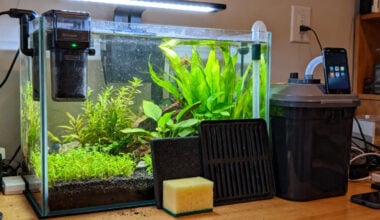
Starting your very first aquarium can feel like walking into a maze of endless options. Between the aisles of equipment, flashy gadgets, and the persuasive pet store clerk, it’s easy to leave with way more gear than you’ll ever use.
I’ve been there, and I can promise you that a simple, well-thought-out setup is almost always better than an overloaded one.
This checklist breaks it down: 7 essential things every beginner truly needs to set up a tank, and 5 common items you can happily skip (at least for now).
Table of Contents
🎥 Quick Video Guide | First Tank Checklist
7 Essentials You Need
1. Tank and Stand
Start with a decent-sized glass or acrylic aquarium. I recommend around 20 gallons for beginners since smaller tanks are surprisingly harder to manage.
When space limits you to ten gallons, stocking discipline becomes especially important. This 10-gallon guide compares three focused setups that avoid overcrowding and undersized social groups.
A proper stand (or a sturdy cabinet) is just as important. A water-filled aquarium is heavy, so don’t risk putting it on a flimsy table.
2. Filter
Your filter is your tank’s life support. It cleans debris, removes toxins, and most importantly, helps with the importance of oxygenation in the water.
For a beginner, a hang-on-back filter or sponge filter works great. If you want extra polish, adding filter floss in your setup can make your water look crystal clear.
3. Heater and Thermometer
If you’re planning on tropical fish, a heater is non-negotiable. Keep the water between 75–80°F and aim for roughly 5 watts per gallon.
A simple thermometer lets you check at a glance that everything is stable. For cold-water fish like goldfish, you can skip the heater.
4. Water Conditioner
Tap water isn’t fish-safe. It contains chlorine and sometimes chloramine, both deadly to fish.
A good water conditioner (also called a dechlorinator) instantly makes tap water safe. This is one bottle I always keep stocked.
5. Test Kit
Water may look fine but still hide dangerous toxins. An aquarium test kit lets you measure ammonia, nitrite, nitrate, and pH. Catching problems early is the key to avoiding fish losses.
For a deeper dive on why cycling matters, I recommend reading this guide from Aquarium Co-Op.
6. Substrate and Decor
Fish like to explore, hide, and dig. Gravel, sand, and decor help create a natural home that makes them feel comfortable.
Live plants add bonus oxygen and stability, but even fake plants or simple caves work wonders. Just rinse everything before putting it in to prevent cloudy water.
7. Maintenance Tools
A gravel siphon, algae scraper, and fish net are your cleaning toolkit. Weekly water changes are the most important of all aquarium rules to keep your tank healthy.
These simple tools make the job painless.

5 Things You Don’t Need (Common Newbie Overbuys)
1. “Magic” Additives for Cloudy Water
There’s a whole shelf of bottled “instant fixes.” Most of them don’t solve root issues like poor maintenance or incomplete cycling.
Despite marketing, even “instant cycle” products can’t cheat biology. Patience is your best tool here.
2. Excessive Chemicals
pH up/down solutions, algae killers, ammonia blockers, skip them for now. Trying to constantly lower the pH with chemicals usually causes swings that stress fish more than help.
Focus on stable water and regular water changes instead.
3. Air Pump (if Redundant)
If your filter already stirs the surface, you don’t need an extra air pump. Many new aquarists think an “oxygen pump” is mandatory, but filters alone provide plenty of aeration.
Save the budget for a better filter or quality food.
4. Expensive Lighting Upgrades
Unless you’re going all-in on planted tanks, the stock LED or hood light in a beginner kit is fine.
High-end lighting makes sense later for corals like goniopora coral in saltwater, but freshwater beginners can wait.
5. Too Many Fish Too Soon
This one isn’t equipment, but it’s the most common mistake. Pet stores sometimes sell bundles of fish with tanks, but overstocking too quickly leads to disaster. Take it slow.
Fewer fish at the start means less stress and better survival.
Wrapping It Up
A first tank doesn’t have to break the bank or clutter your home with unnecessary gadgets. Stick with the seven essentials, skip the fluff, and you’ll have a much smoother start.
Once you’ve mastered the basics, you can explore more advanced gear, other aquarium hacks, or even specialized setups like planted aquariums or marine tanks where some use biopellets for filtration.
For an extra beginner-friendly crash course, I recommend checking out this overview from the College of Veterinary Medicine. It keeps the focus on what really matters: creating a safe, healthy home for your fish.
Remember, less stress for you and your fish makes the hobby more fun, and isn’t that why we set up aquariums in the first place?
FAQ’s
What equipment is essential for a beginner fish tank?
A beginner needs a tank, stand, filter, heater, thermometer, water conditioner, test kit, substrate, decor, and maintenance tools.
Do I really need an air pump for my aquarium?
Not always. If your filter provides surface agitation, it already ensures proper oxygenation. An extra air pump is optional, not required.
What should I avoid buying for a first aquarium?
Skip “quick-fix” additives, excessive chemicals, redundant air pumps, pricey lights, and too many fish too soon. Keep it simple and stable.