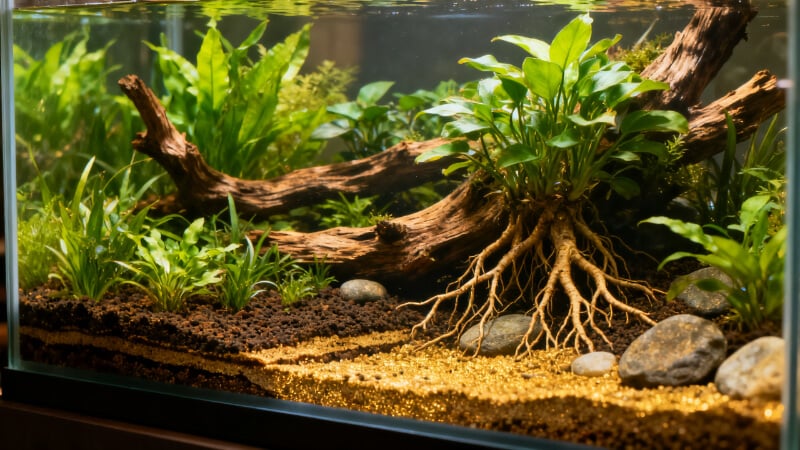
Choosing the right substrate is one of the most important steps in building a successful planted aquarium. It directly impacts plant growth, water clarity and long-term stability.
For beginners, especially, the wrong choice can lead to frustrating problems, such as melting plants, cloudy water or unstable tank conditions.
Table of Contents
Why Substrate Is Critical for Planted Aquarium
A substrate is more than just gravel at the bottom. In a planted tank, it acts as the foundation for plant roots and a biological hub that supports the entire ecosystem. It stores nutrients, supports beneficial bacteria and stabilizes water chemistry.
Research shows that substrate composition directly influences how plants absorb nutrients and grow. The physical and chemical properties of substrates affect nutrient availability and plant health.
When the substrate falls short, common problems appear:
- Plants fail to grow or die off.
- Substrate clouds the water for days or weeks.
- Plants have poor root anchoring.
- The substrate breaks down too quickly.
- Tank conditions become unstable.
Choosing the right beginner planted tank substrate helps prevent these issues from the start.
Top-Rated Planted Aquarium Substrates
Below are some of the most trusted substrates from Aqua Forest Aquarium, the official distributor of Aqua Design Amano (ADA) products in the U.S.
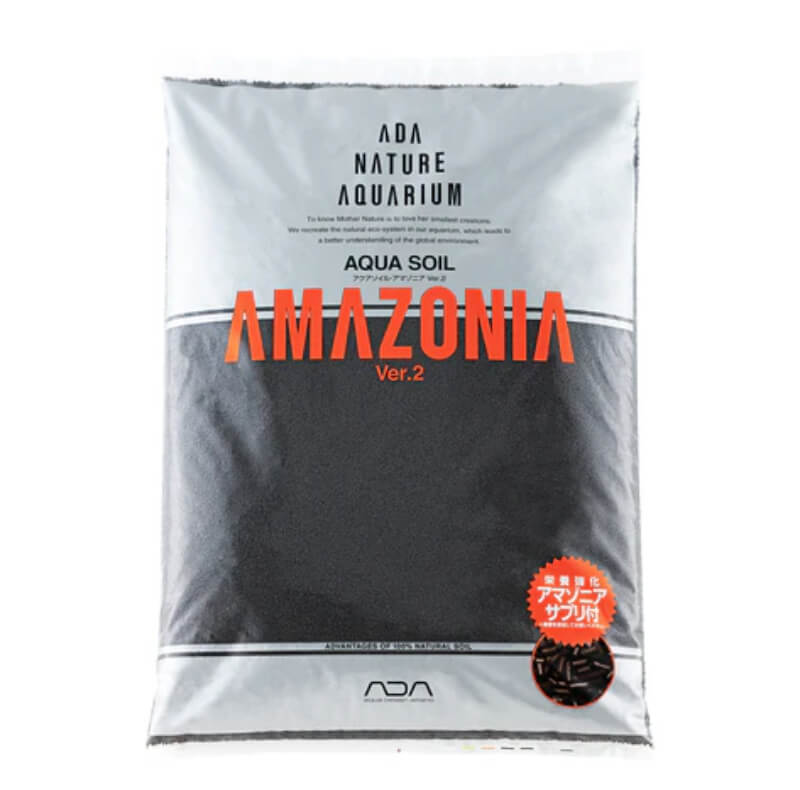
1. ADA Aqua Soil Amazonia Ver. 2
ADA Aqua Soil Amazonia Ver. 2 is a premium nutrient-rich aquascaping substrate with improved stability, low clouding and excellent plant growth support. It’s a reliable all-in-one solution for most planted tanks. This product is best for beginner to advanced aquascapers.
Key Features
- Features high nutrient content with included supplement pellets
- Promotes strong root development and faster plant growth
- Buffers water by lowering pH and softening KH
- Provides cleaner initial setup with reduced clouding
- Has long-lasting structure for extended use
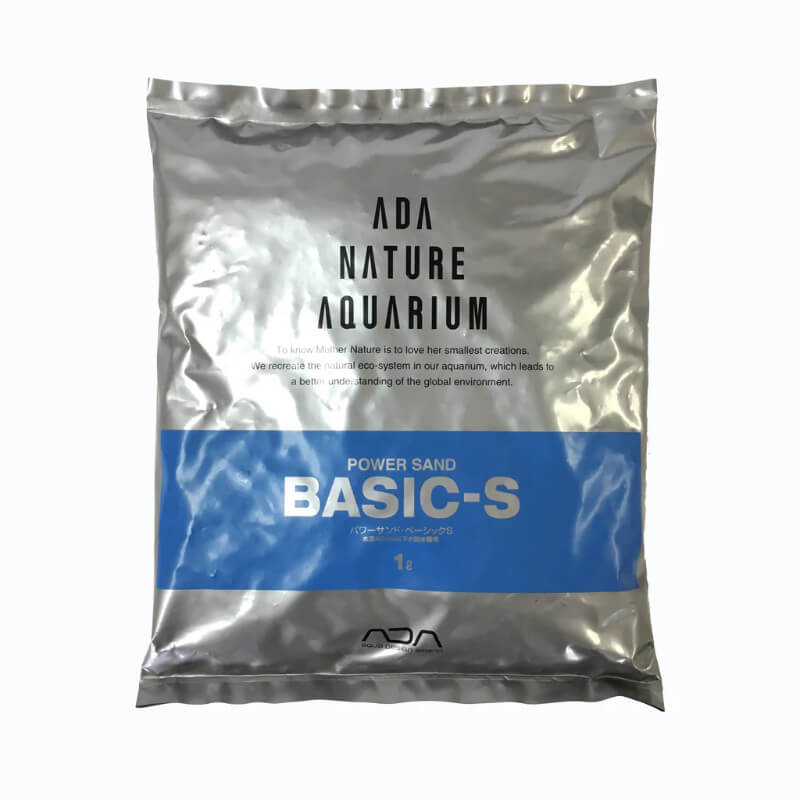
2. ADA Power Sand Basic
A porous base-layer substrate, ADA Power Sand Basic boosts beneficial bacteria and extends the lifespan of nutrient soils. It improves long-term plant health and tank stability. This option is for layered substrate systems and long-term aquascapes.
Key Features
- Encourages beneficial bacteria colonization
- Improves oxygen flow within substrate layers
- Contains slow-release nutrients
- Prevents compaction over time
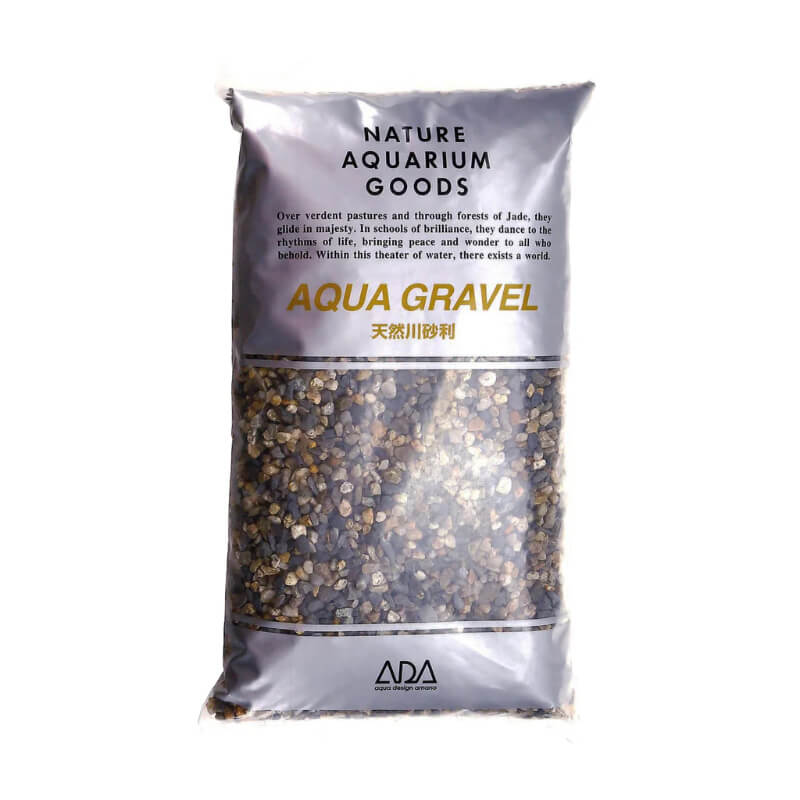
3. ADA Aqua Gravel
ADA Aqua Gravel is a durable, inert substrate that enhances water circulation and structural stability. It’s an essential component in layered aquascaping systems. This item is best for base layers and hardscape support.
Key Features
- Promotes water flow and drainage
- Prevents compacted substrate zones
- Is long-lasting and structurally stable
- Has a neutral effect on water chemistry
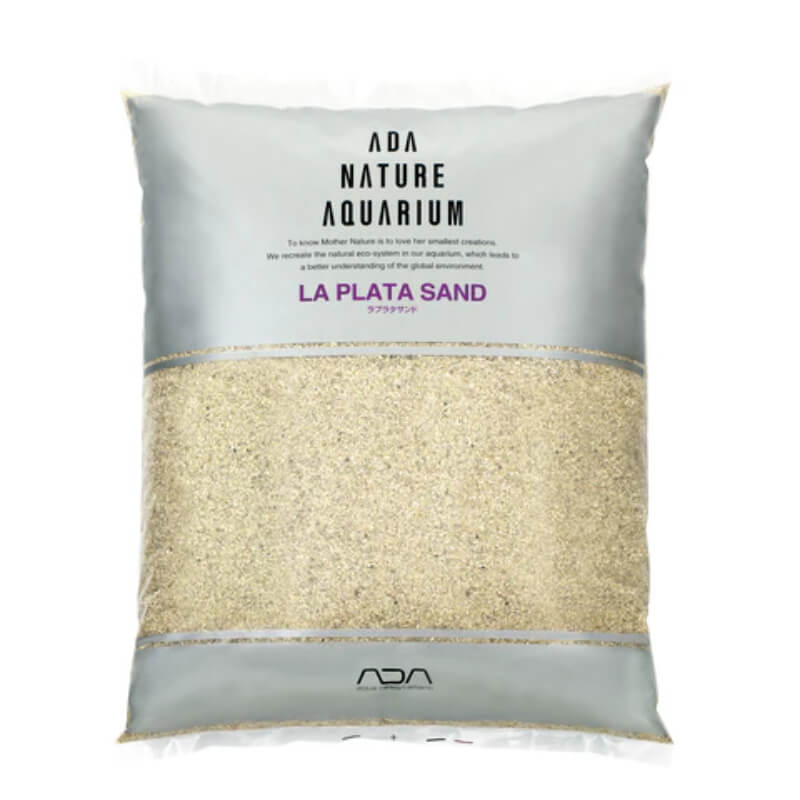
4. ADA La Plata Sand
ADA La Plata Sand is a fine sand that enhances the aesthetics of an aquascape. It also provides a smooth, fish-safe surface for bottom dwellers and creates natural visual contrast. This product is ideal for foreground layouts and aesthetic detailing.
Key Features
- Features a smooth, fine-grain texture
- Is safe for bottom-dwelling fish
- Offers a bright, natural appearance
- Is ideal for foreground contrast
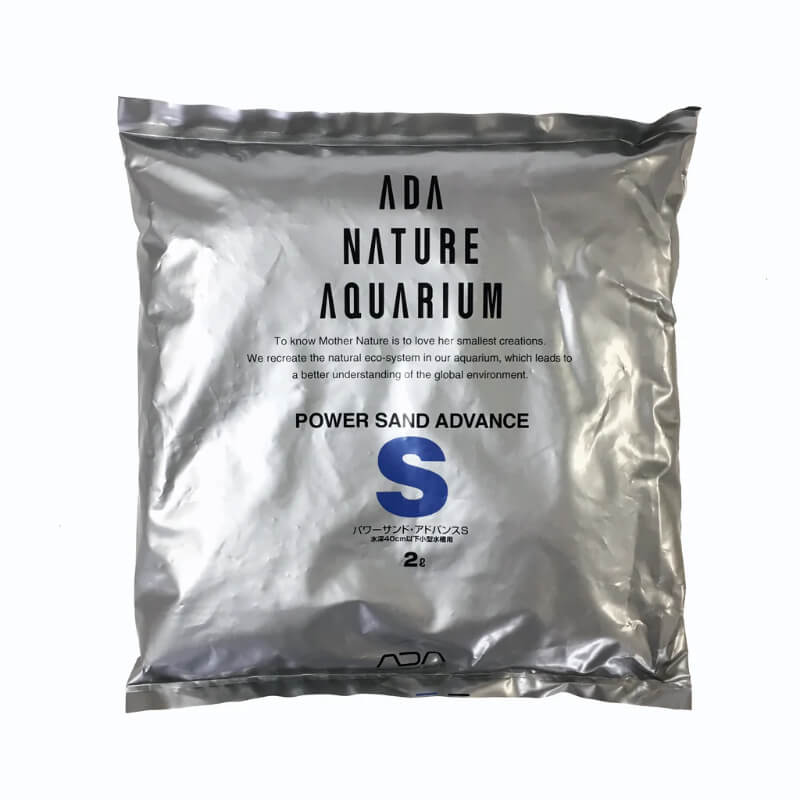
5. ADA Power Sand Advance
ADA Power Sand Advance is an upgraded base substrate with added nutrients and beneficial bacteria. It maximizes long-term plant growth and substrate performance in advanced aquascapes.
Key Features
- Features an enhanced nutrient profile
- Includes beneficial bacteria additives
- Supports complex, high-demand planted systems
- Improves long-term substrate efficiency
Key Attributes to Evaluate Before Choosing a Substrate
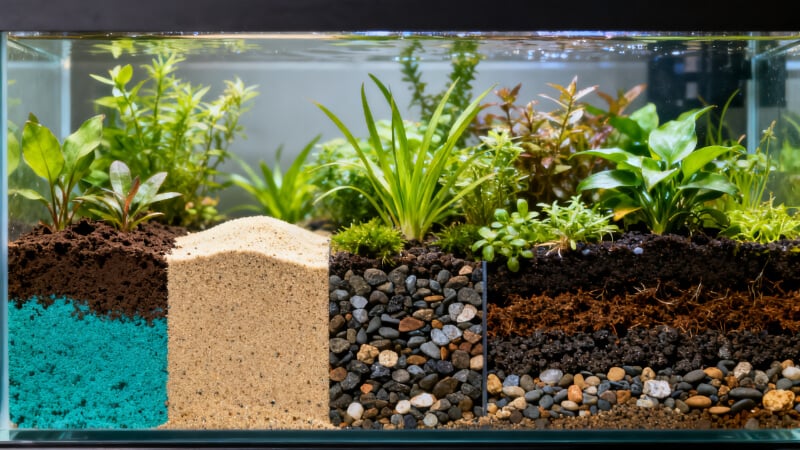
When selecting a beginner planted tank substrate or upgrading to a more advanced system, these factors matter most:
- Nutrient content: Substrates should support root-feeding plants and reduce dependency on liquid fertilizers. Aquatic plants also rely on nutrients, such as nitrogen and phosphorus, to thrive.
- Plant growth support: A good nutrient-rich aquarium substrate encourages strong root development and faster growth.
- Water clarity impact: Some substrates release dust or tannins initially, which can affect clarity.
- Ease of use: Beginners benefit from ready-to-use substrates that require minimal setup.
- Aesthetic appearance: Color, grain size and texture affect the visual appeal of aquascaping.
- Buffering capacity (pH/KH): Some substrates help lower pH and soften water, which is ideal for aquatic plants and shrimp.
Choosing the Right Substrate for Planted Aquariums
Choosing the right substrate is one of the most important steps in building a successful planted aquarium. Whether the goal is a lush aquascape or a simple planted community tank, the substrate determines how well plants grow, how stable the water remains and how easy the tank is to maintain.
For hobbyists seeking reliable, authentic and professionally supported products, Aqua Forest Aquarium and ADA substrates remain among the most trusted options in the aquascaping world.
FAQ’s
Do all planted tanks need nutrient-rich substrate?
Most rooted plants benefit significantly from a nutrient-rich aquarium substrate because it improves plant health and reduces the need for fertilization.
How deep should aquarium substrate be?
Typically, at least 2-3 inches is ideal for proper deep-root growth in planted aquariums.
Can substrate affect water pH?
Some substrates actively lower pH and soften water.