Quick Facts 
| Scientific Name: | Symphysodon aequifasciata |
| Other Names: | pompadour fish, Heckel discus, red discus, cichlids |
| Lifespan: | 8 to 10 years, sometimes 15 |
| Size: | 6 to 8 inches |
| Care: | High / Challenging |
| Diet: | High-quality flakes and pellets |
| Water Conditions: | Warm, soft, acidic water. 82-86F, 6.0-7.0pH, 1-4dKH |
| Tank Size: | 55 gallons |
| Behavior: | Peaceful and territorial |
| Breeding Difficulty: | Challenging in captivity |
If you’re dipping your toes into the world of aquariums and you’re looking for something a little more majestic, you’ve probably heard about the discus fish… right?
These stunning freshwater cichlids are known for their disc-like shape, vibrant colors, and calm, regal demeanor. But here’s the catch: discus fish aren’t exactly low-maintenance.
That said, with the right care and a little dedication, they can thrive beautifully in your home setup. Follow this guide to a T and you’ll have a great time caring for your Discus Fish.
Table of Contents
🎥 Quick Video Guide
Appearance
Discus fish are the royalty of freshwater aquariums. Seriously, they don’t just swim—they glide!
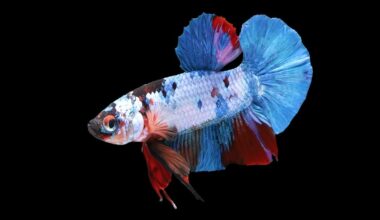
These fish come in an impressive variety of colorations and patterns, thanks in part to selective breeding. From bright turquoise to deep reds and golden hues, there’s no shortage of options.
Their round, flat bodies and graceful fins give them that signature “majestic beauty” look that makes them so captivating.
Lifespan
With proper care, discus fish can live between 10 to 15 years. That’s a solid commitment, but it’s worth it. Think of them like a fine wine—they get better with time.
Average Size
Adult discus typically grow to about 6 to 8 inches in diameter. That’s larger than your average community fish, so you’ll need to factor in enough space in your tank to keep them comfy.
Proper Tank Size And Filtration
You’re going to need space—these aren’t fish for a cramped little bowl. For a group of 5 or 6 discus, you’re looking at a minimum of 55 gallons.
Preferably 75. And yes, you need a good filtration system. A canister filter is ideal.
Autor Note: These fish are sensitive to water quality, and poor filtration is a one-way ticket to stress, illness, and a pretty grumpy tank.
Tank Setup And Water Conditions
Discus fish are native to the slow-moving tributaries of the Amazon River, so your tank should reflect that. Think soft, slightly acidic water, a calm environment, and minimal current.
Aim for a natural-looking setup—live plants, driftwood, and a soft, sandy substrate work wonders.
Importance Of Temperature And PH Levels
Let’s talk numbers. Discus fish love high temperatures. You’re aiming for: 82 to 86°F (that’s 28 to 30°C for my metric-minded friends).
As for pH, keep it between 6.0 and 7.0. Stable is the name of the game here. Fluctuating pH or water temperature? That’s a fast track to stress, disease, and overall chaos in the tank.
Adding Hiding Spots And Decorations
Discus are peaceful but shy. Give them hiding spots to help reduce stress. Think clay pots, tall plants, and rock caves. But don’t clutter the tank.
These fish need open space to swim and show off. Just enough cover to make them feel secure.
Feeding and Nutrition
Feeding discus is a bit of an art. I feed mine two to three times a day in small amounts.
Why small? Because leftover food = ammonia spikes, and that leads to issues. You want a mix of protein-rich food and some fiber.
Author Note: Always remove uneaten food after 5 minutes. Discus aren’t garbage disposals, and poor feeding habits cause long-term problems.
Types Of Food To Offer
Go for variety. High-quality flakes and pellets designed for cichlids are a good base. Supplement with frozen or live food like bloodworms, brine shrimp, and beef heart (yep, beef heart). Some hobbyists swear by it.
The key is balance. Your discus fish need a well-rounded diet for strong coloration and immune support.
Supplementing With Vitamins And Minerals
If you want vibrant, healthy fish, consider adding vitamin-enriched foods. Some breeders also add liquid supplements to frozen foods.
This can be a game-changer, especially during breeding or if your discus seem a little off. It’s like a multivitamin, but for fish.

Social Behavior And Tank Mates
Discus are social cichlids. They thrive in groups of 5 or more. Keep them in odd numbers if possible to minimize bullying. They’re peaceful but can be territorial, especially when establishing a pecking order.
When it comes to tank mates, think calm and non-aggressive. Cardinal tetras, corydoras, and clown loaches make excellent companions.
Just make sure they can handle the high temperatures discus require.
Predators to Avoid
Steer clear of aggressive species like tiger barbs, angelfish like the Emperor (yes, even though they’re pretty), and large cichlids.
These guys will harass or outcompete your discus. You don’t want to turn your tank into an underwater UFC match.
Introducing New Fish To The Tank
Quarantine. Always quarantine new fish. Even if they come from a reputable breeder with stellar customer service.
It’s about protecting your current stock. I usually quarantine for 2-3 weeks. Once they’re cleared, introduce them gradually—lights off, rearrange the decor to shake up territories, and keep a close eye on behavior.
Common Health Issues
The main culprits? Poor water quality and stress. Discus can develop issues like fin rot, hole-in-the-head disease, internal parasites, and gill flukes.
Regular water testing (keep ammonia and nitrites at 0 ppm) and weekly water changes (25-50%) will keep most issues at bay. If your fish starts acting odd or hiding more than usual, test the water first before reaching for meds.
In case the water is good and your discus is still sick, you can try FISHICK’s Metronidazole. It is quite good since it is formulated to treat bacterial and protozoan infections.
Breeding
Breeding discus is a mix of science and magic. It usually starts when a bonded pair breaks off from the group. You’ll notice them cleaning a surface—they’re getting ready to lay eggs.
The female lays the eggs, and the male fertilizes them. After that, both parents guard and fan the eggs.
Here’s the cool part: once the fry hatch, they feed off the mucus on the parents’ skin. Yep. Nature is wild.
Author Note: You’ll want a dedicated breeding tank with pristine water conditions and zero stress. Most beginners don’t get into breeding right away, but if you’re feeling adventurous, it can be super rewarding.
Conclusion
Discus fish care isn’t exactly beginner-easy, but it’s absolutely beginner-doable. With patience, good habits, and a little bit of research (hey, you’re already here), you’re setting yourself up for success.
These fish are more than just pretty faces. They bring elegance, personality, and a true sense of achievement to any aquarium. If you’re a hobbyist looking to level up your fish game, discus fish are a solid step forward.
Now go get that tank ready and show them the love they deserve.
FAQ’s
Can beginners keep discus fish successfully?
Yes, beginners can keep discus fish with the right setup, stable water conditions, and consistent maintenance.
How often should I feed my Discus Fish?
Feed your Discus Fish 2-3 times daily with small portions of high-quality food to maintain their energy and prevent overfeeding.
What is the ideal water temperature for Discus Fish?
The ideal water temperature for Discus Fish ranges between 82°F and 86°F to support their health and vibrant colors.