Last updated on September 2nd, 2026 at 06:33 pm
Bare gravel in an aquarium quickly becomes boring. You set up the tank, the water clears up, and a week later a green film appears on the glass. Most beginner aquarists blame the lighting and buy a dimmer bulb. Usually, the real problem is that nothing in the aquarium is competing for nutrients.
The plants take over this task.
The best live aquarium plants for beginners are stubborn specimens: Anubias barteri, Java fern, Java moss, Amazon sword, and Cryptocoryne wendtii. None of them require high light or a CO2 system, which costs more than the aquarium itself.
Inherited an aquarium with something green? A phone app can identify aquatic plants from a photo before you start uprooting them. Below are ten aquarium plants that are worth the money.
Table of Contents
1. Anubias Barteri
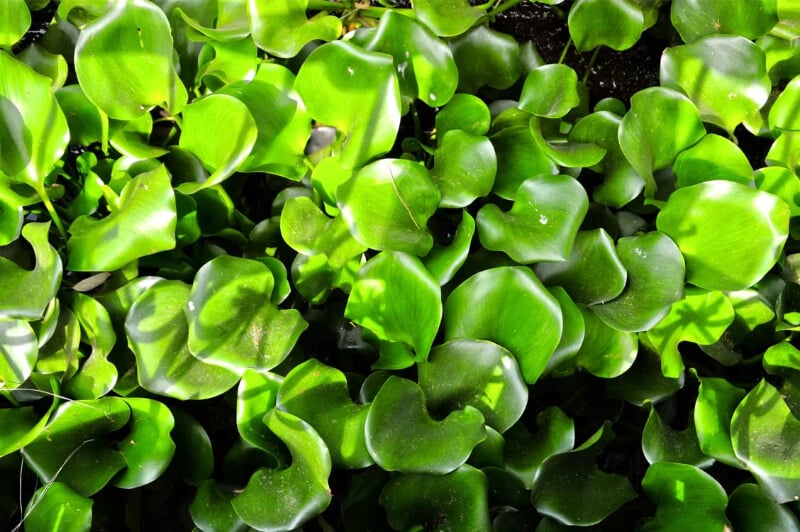
If you manage to kill an Anubias, it will be impressive. Its leaves are thick and waxy, more like those of a houseplant than an aquatic one. Cichlids chew them and give up. It grows on a rhizome — a thick green stem from which the leaves emerge. Bury this rhizome, and the plant will rot from the inside out.
It’s better to tie it to a piece of driftwood with cotton string and forget about it for a month. By then, the roots will establish themselves. Expect one new leaf per month, maybe two.
2. Java Fern (Microsorum pteropus)
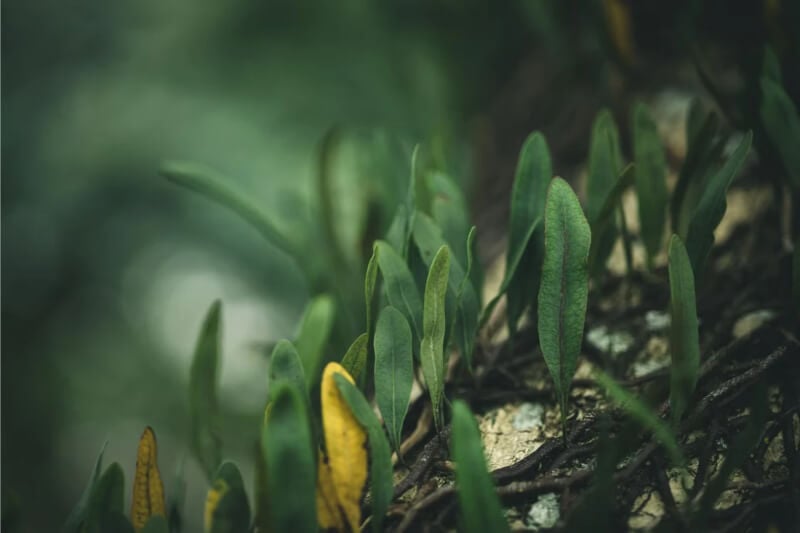
The Java fern follows the same rule as Anubias: you shouldn’t bury it in sand. The leaves are long and wavy, and they darken in the shade. Tiny shoots grow along the edges of old leaves. Wait until roots appear on one of them, break it off, and attach it to a rock.
Most beginner aquarium plants are fussy when repotted. This plant will first turn brown on a few leaves, then recover. The black spots on the undersides of the leaves are spores, so don’t panic and don’t treat it.
3. Java Moss (Taxiphyllum barbieri)
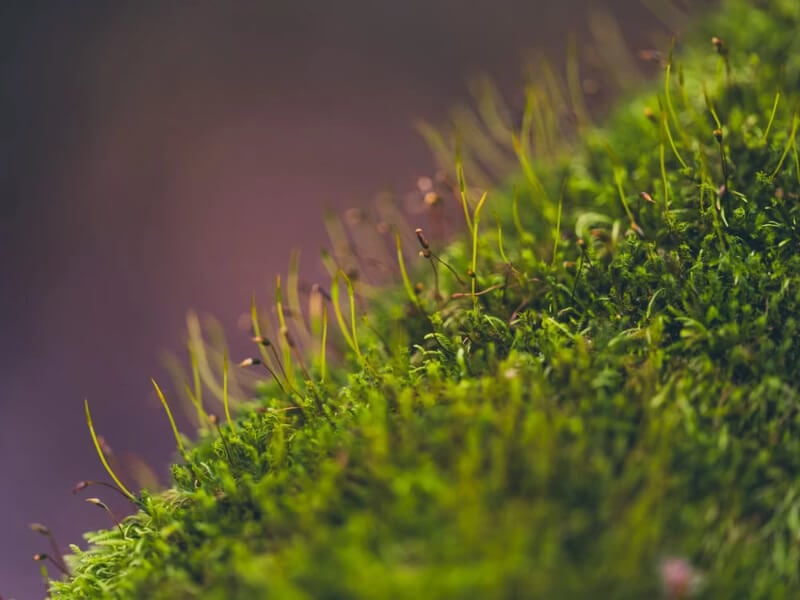
If a corner of your aquarium is looking bare, plant some Java moss there. Tie it to a wood with a fishing line or apply superglue gel to the underside. It will attach itself within 3-4 weeks. Shrimp will sit in it for hours and collect biofilm. The fry will disappear into the thicket and survive the first week.
One clump will eventually become home to more flora and fauna than the rest of your hardscape combined. Trim it with scissors when it starts to look shaggy, and it will grow back thicker.
4. Amazon Sword (Echinodorus bleheri)
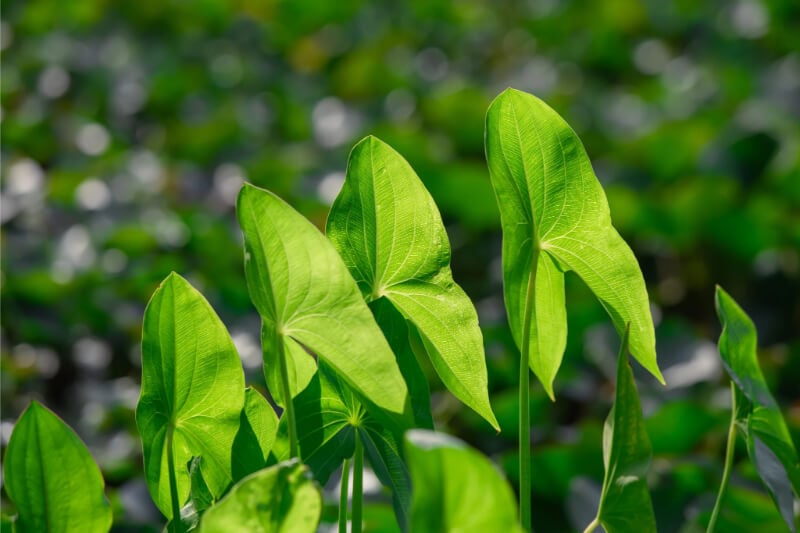
Echinodorus bleheri alone fills the back corner of a 20-gallon aquarium. Its large green leaves reach approximately 1 foot (30 cm) in height when rooted. This moss feeds from its roots, not water. Place a root plate underneath it every couple of months.
If you don’t, older leaves will turn yellow with pinholes punched through them. It’s one of the easiest aquarium plantsto maintain, and it won’t die even if you forget about it.
5. Cryptocoryne Wendtii
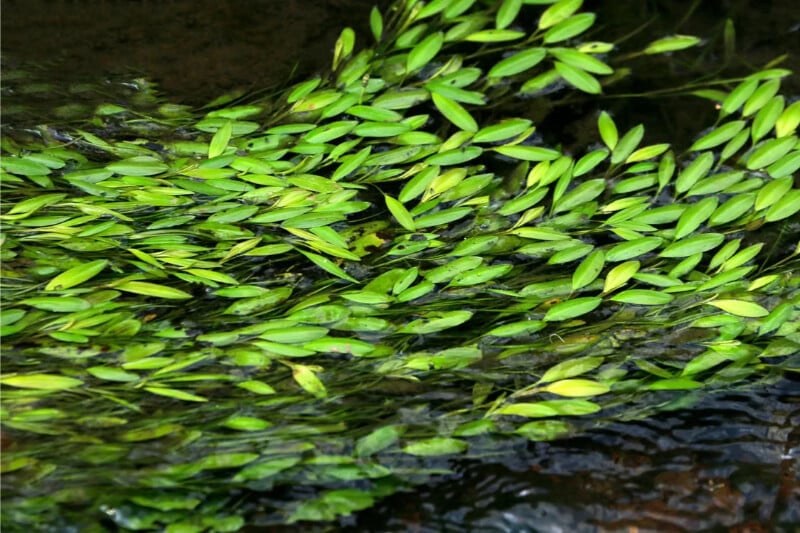
Crypts come in bronze, olive, and red, turning almost purple in good light. Place a few plants in the middle ground and leave them alone. Then comes the part that everyone fears: crypt melt. About a week after planting, the leaves of Cryptocoryne Wendtii become translucent and slimy.
Don’t dig up the plant. The roots underneath are alive and active throughout this time. New leaves appear in 2-3 weeks. Crypts don’t like being repotted, so choose a location once and plant it.
6. Vallisneria (Jungle Val)
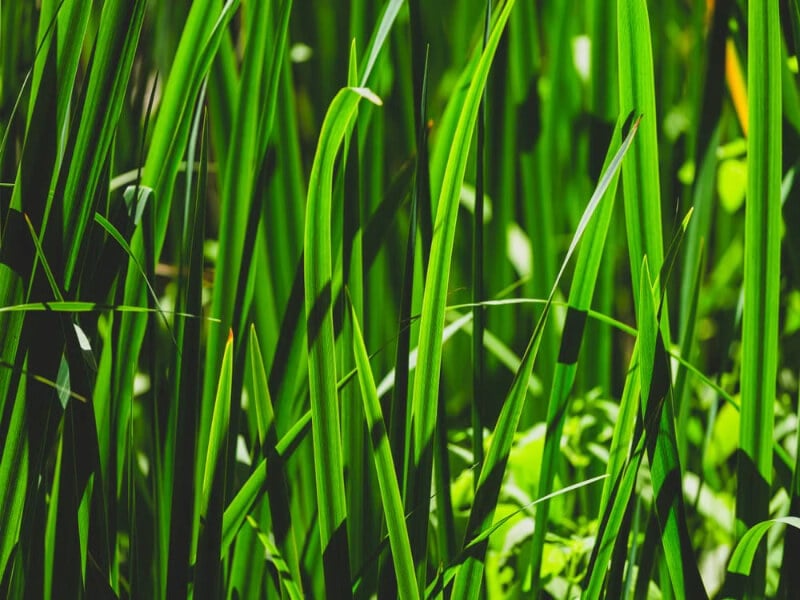
For the price per square inch of coverage, Vallisneria is one of the best aquarium plants sold in tubes. It is perfect for creating a wall of greenery across the back glass. The leaves are flat ribbons that touch the surface and lie flat on top. It reproduces by creeping shoots under the sand, and by the end of summer, ten plants will grow from one. Hard tap water is ideal for it.
7. Dwarf Sagittaria (Sagittaria subulata)
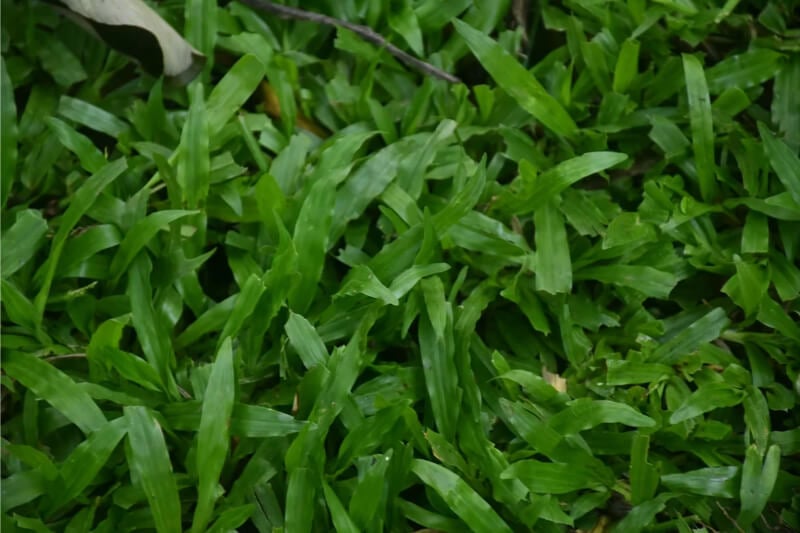
Imagine a closely mown lawn that grows underwater. Dwarf Sagittaria forms mats due to CO2 deficiency, which is rare enough. Plant the seedlings 1 inch (2.5 cm) apart in sand and give them 6 weeks. The creeping stems will do the rest.
In bright light, the plant will grow to ankle height and remain bushy. In low light, it will stretch upward and lean to the side.
8. Bacopa Caroliniana
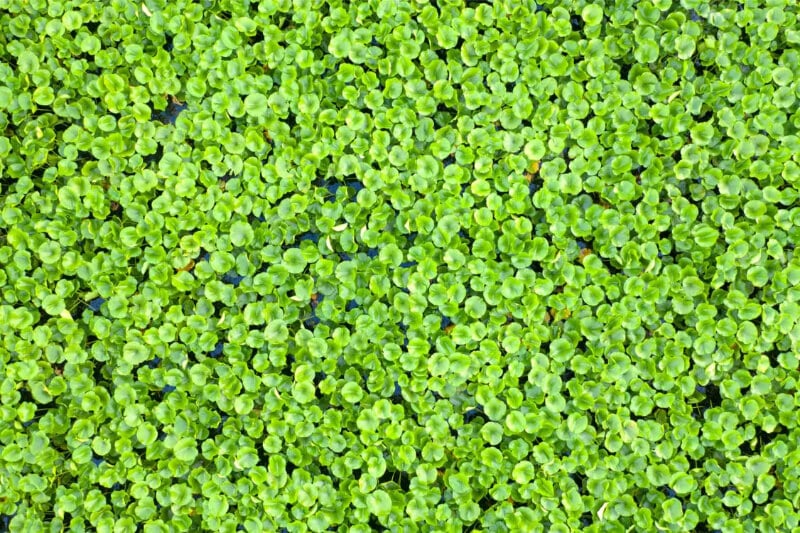
Bacopa is a stem plant, so treat it like a cutting from the garden. It has round leaves arranged in pairs on the stem and a faint lemon scent when you crush one. Pruning encourages new growth — cut off the top 3 inches (7.5 cm) and push them back into the substrate. The tops take on a copper tint under bright light.
Of all the easy-to-grow aquarium plants, this one is the one that signals trouble. The leaves begin to fall off as soon as the fertilizer runs out.
9. Aponogeton Crispus
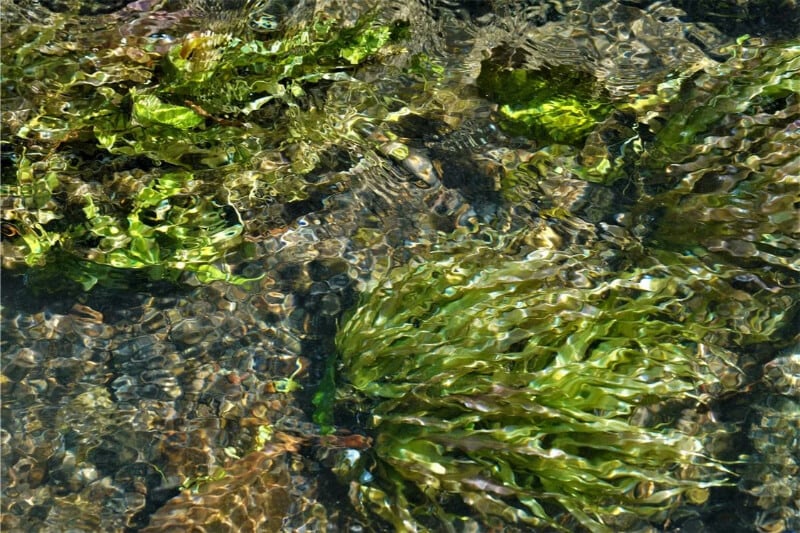
You’ll find these sold as a dry bulb in a plastic box by the register. Aponogeton Crispus is also cheap, usually under five dollars. The leaves appear wrinkled and wavy, and it grows rapidly for 3-4 months. Then it drops everything and looks dead.
However, it’s not dead but dormant, so leave the bulb in the sand and wait. Sometimes it will send up a flower stalk from beneath the surface.
10. Marimo Moss Ball (Cladophora)
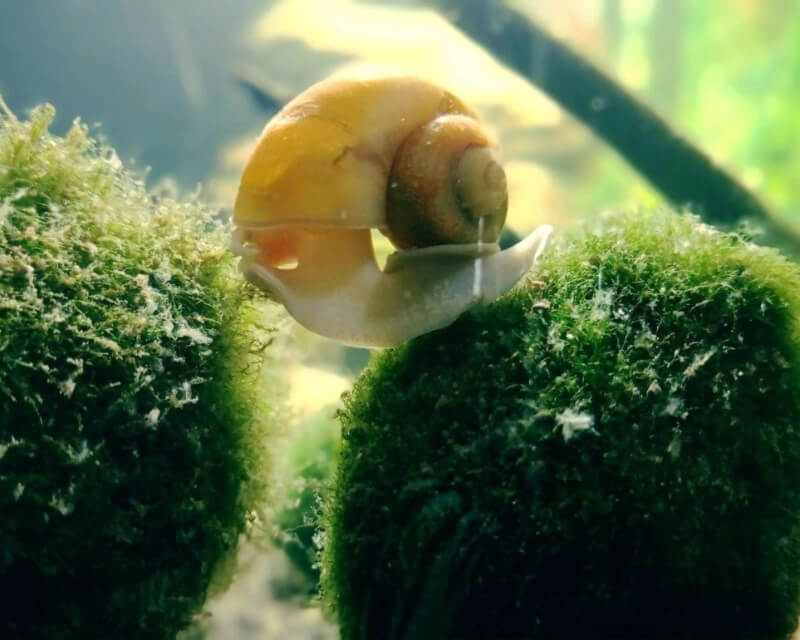
Looking for easy care aquarium plants? Choose the Marimo Moss Ball. Marimo isn’t a plant at all — it’s a colony of algae that lake currents roll into a ball. It sits on the substrate and requires no maintenance. Turn it every 1-2 weeks to ensure all sides receive light.
Squeeze it once a month in old aquarium water to remove any dirt. Rinse new bulbs properly first, since the trade can have pest issues.
Comparing the Easiest Aquatic Plants for Your First Aquascape
Placement is half the battle. A carpet plant in the back row is a waste of money, and the Amazon Sword in front of it blocks the entire view. Here is how the easiest aquatic plants compare to each other.
| Plant Variety | Tank Placement | Planting Method | Growth Speed | Light Requirement | Nutrient Preference |
| Anubias Barteri | Foreground / Midground | Tie to driftwoods/rocks | Slow | Low to Medium | Water column |
| Java Fern | Midground / Background | Anchor to hardscape | Slow to Moderate | Low | Water column |
| Java Moss | Any surface (carpet/wood) | Wrap with line/glue | Moderate | Low to High | Water column |
| Amazon Sword | Background / Centerpiece | Plant in substrate roots | Fast | Medium to Bright | Heavy root feeder |
| Cryptocoryne | Midground | Plant in substrate | Slow | Low to Medium | Soil & Root tabs |
| Vallisneria | Background | Plant roots in gravel | Very Fast | Medium | Substrate & column |
| Dwarf Sagittaria | Foreground (carpet) | Plant roots in sand/soil | Fast | Medium | Substrate & column |
Why Choosing Live Aquarium Plants for Beginners Is Essential for a Balanced Tank
Your aquarium is essentially a bacterial farm where fish live. Waste breaks down into ammonia, which bacteria convert into nitrite, and then into nitrate. The whole loop is thenitrogen cycle, and it works whether you’re watching or not. The nitrate simply accumulates until you take out the bucket. The plants eat it up.
Plastic decorations don’t help this process at all. They trap brown gunk in every crevice and remain there. The seams are also sharp, and Betta fish fins get caught in them and tear them.
What do you get from live plants in your aquarium:
- Lower nitrate levels between water changes
- Less algae because the plants absorb nutrients first
- Oxygen released into the water throughout the day
- Hideaways for shrimp and newborn fry
- Biofilm that the fry feed on around the clock
- Shy fish that finally emerge and develop vibrant colors
A planted tank still requires maintenance. Live aquarium plants for beginners only reduce the number of things that can go wrong.
How to Select the Easiest Aquarium Plants Based on Your Setup
Many store-bought plants die due to planting methods, not light or fertilizer. All species look the same inside those little plastic tubes. Sorting by attachment type solves most problems. Here are the most popular types:
- Rhizome plants – Anubias, Java fern. They can be planted on driftwood or rocks. Substrate kills them.
- Rooting plants – Echinodorus, Cryptocoryne, Vallisneria, and Dwarf Cycad. The roots are buried, with the top above the sand.
- Stem plants – Bacopa and others. Remove the lower leaves and press the bare stem into place.
- Bulbs – Aponogiton. Half buried, pointy end facing up.
- Mosses – Java moss. Tie it to something solid and step away.
- Floating plants – frogbit, duckweed. They simply float on the surface.
Choose the easiest aquarium plants to complement the existing setup in your tank.
5 Critical Care Tips to Prevent Your Submersed Greenery From Melting
Melting is what drives most people to return to plastic decorations. The leaves become translucent, then turn to mush within a few days. Nine times out of ten, this is transplant shock, and the plant survives. Five ways to prevent this:
- Turn on the lights for 6-8 hours. Longer daylight hours encourage algae growth before they can feed on the leaves.
- Add liquid fertilizer weekly. Fish waste covers the nitrogen, but iron and potassium should be supplied by a bottle.
- Apply root tablets every two months to Echinodorus and Cryptocoryne plants. These two plants deplete the substrate.
- Rinse and quarantine new arrivals. Snail, planarian, and hydra eggs can get into the aquarium through damp leaves.
- Stop repotting plants. Pulling out a plant rips out the roots it’s just grown.
Six weeks is a realistic time for a new aquarium to adapt. So don’t rush to throw out plants you think haven’t taken root.
Conclusion
Choose three species and start with them. Anubias, Java fern, and one Cryptocoryne will take up most of the space in a small aquarium. Observe them for a month before buying anything else, as your water may be different. Stems and carpets can wait until you get the hang of it. Fish look much better against a green background than on bare glass, and you’ll spend fewer weekends cleaning the tank.
FAQ’s
What are the easiest live aquarium plants for beginners?
The best beginner plants include Anubias, Java fern, Java moss, Amazon sword, and Cryptocoryne because they thrive in low light, need little care, and don’t require CO2.
Do beginner aquarium plants need CO2 or special lighting?
No. Most beginner-friendly aquarium plants grow well under standard aquarium lighting without CO2 injection, making them affordable and easy to maintain for new hobbyists.
Why are live plants better than plastic aquarium decorations?
Live plants help absorb nitrates, reduce algae, release oxygen, and provide shelter for fish and shrimp, creating a healthier and more natural aquarium environment.


